G&M AU Belting provides comprehensive timing belt selection, model identification, pulley matching and technical support to help you find a suitable timing belt solution for your specific applications.

What Should You Consider When Choosing HTD, STD and GT Timing Belts for Automation Equipment?
What Should You Consider When Choosing HTD, STD and GT Timing Belts for Automation Equipment?
—— 2026/10/26 ——
Timing belts are widely used in automation equipment, packaging machinery, conveyor systems and CNC machines. Brands such as MITSUBOSHI and Gates offer a range of industrial timing belts for different applications.
HTD, STD and GT are common timing belt tooth profile series. Choosing the right belt involves more than checking the model number. You also need to consider the equipment application, load, operating speed and compatibility between the timing belt and pulleys.
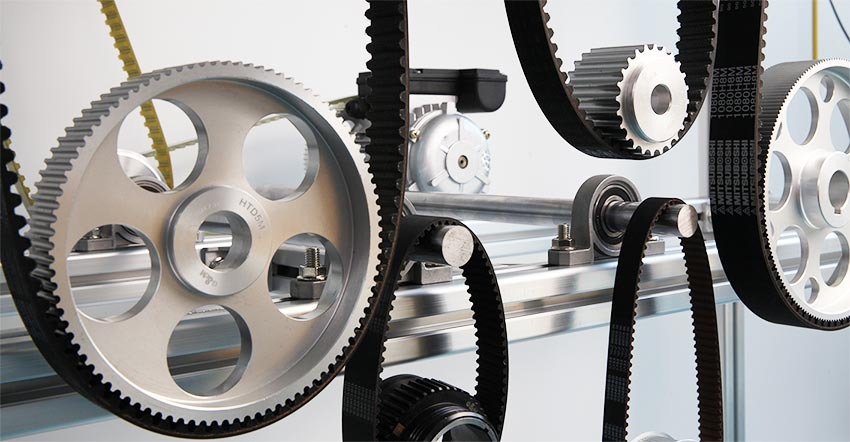
1. Choose a Timing Belt Based on the Application
Different types of equipment have different timing belt requirements. Start by identifying the machine’s operating needs.
| Equipment Type | Key Selection Factors |
|---|---|
Packaging machinery | Feed accuracy and frequent starts and stops |
Automated conveyor systems | Load, operating speed and service life |
CNC machines | Motion accuracy and operating stability |
Robots and automation modules | Positioning accuracy, load and acceleration |




Example: A packaging machine needs to move products to precise positions. Timing belt accuracy and operating stability are key considerations. For equipment handling heavy materials, check the load requirements and the belt’s load capacity.
2. What Is the Difference Between HTD, STD and GT Timing Belts?
HTD, STD and GT are different timing belt tooth profile series. Their tooth designs differ, so each belt must be matched with a compatible pulley.
| Series | Common Size Examples | Key Selection Factors |
|---|---|---|
HTD | 3M, 5M, 8M, 14M | Check the load, speed and pulley specifications |
STD | S3M, S5M, S8M, S14M | Confirm the tooth profile and product specifications |
GT | 3GT, 5GT, 8GT, 14GT | Check the series and pulley compatibility |
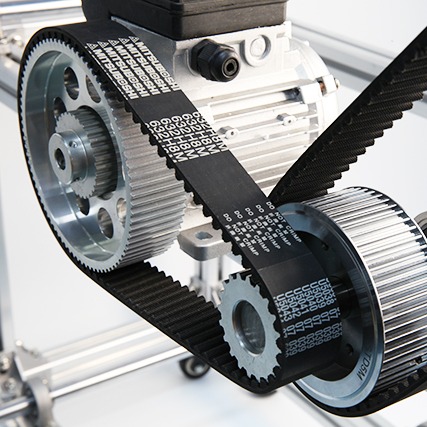
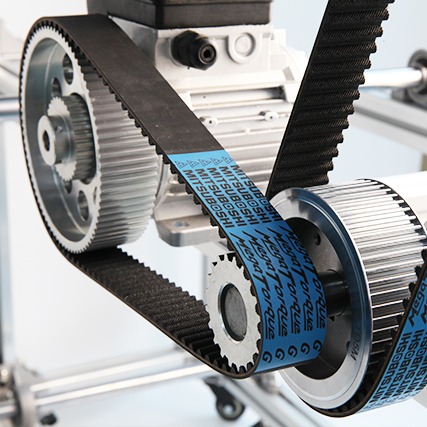
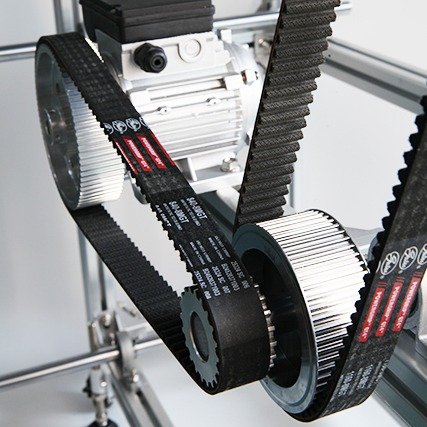
Example: If a machine uses an HTD 5M timing belt, you cannot assume an STD S5M belt is interchangeable just because both are labelled “5M”. Check the tooth profile and pulley compatibility before replacing the belt.
3. Check the Timing Belt Dimensions
Even with the correct tooth profile, a timing belt may not work properly if its length or width is incorrect.
Check these key specifications before purchasing:
Pitch: The distance between adjacent belt teeth.
Number of teeth: The total number of teeth on the belt.
Length: Confirm the exact model and length specification.
Belt width: Select the width based on the load and operating requirements.
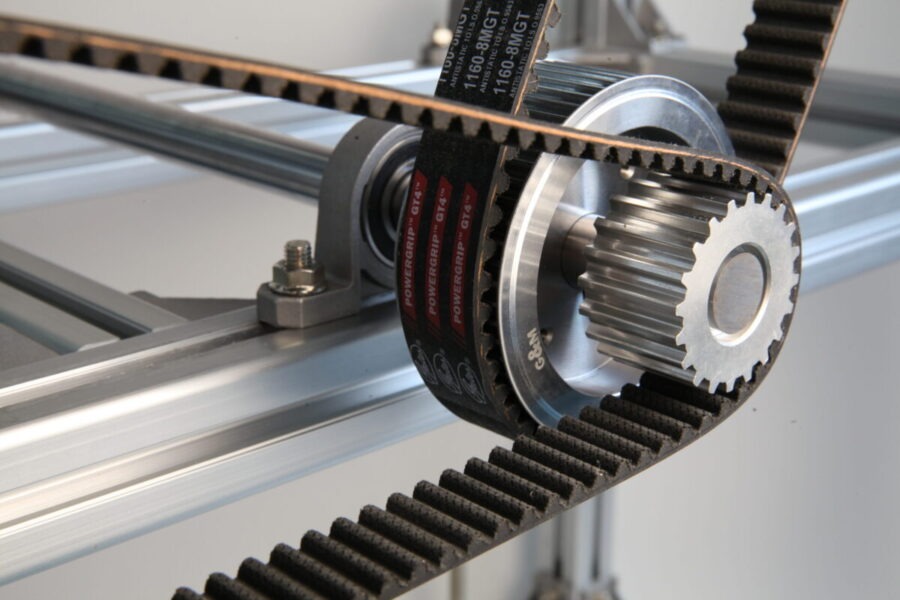
Example: If a machine uses an HTD 5M timing belt with 100 teeth and a width of 15 mm, check the original belt model and pulley specifications before ordering a replacement. Simply requesting a “5M timing belt” may not be enough.
4. Consider the Operating Environment
The belt material affects wear resistance, temperature resistance and oil resistance. Choose a belt that suits the machine’s actual operating conditions.
| Operating Environment | What to Check |
|---|---|
Continuous operation | Wear resistance and service life |
High-temperature conditions | The product’s permitted operating temperature |
Equipment exposed to oil | Compatibility with the type of oil involved |
Small-diameter pulleys | Whether the belt is suitable for the pulley size |

Example: If a timing belt operates near a heat source, tooth profile alone is not enough to determine suitability. Check whether the specific belt’s temperature rating meets the application requirements.
5. Check Timing Belt and Pulley Compatibility
A timing belt must mesh correctly with its pulley. An incompatible combination may cause noise, tooth wear or tooth skipping.
When replacing a timing belt, check the following:
The original belt model and dimensions.
The pulley tooth profile and specifications.
The condition of the pulleys.
Belt installation and tension.
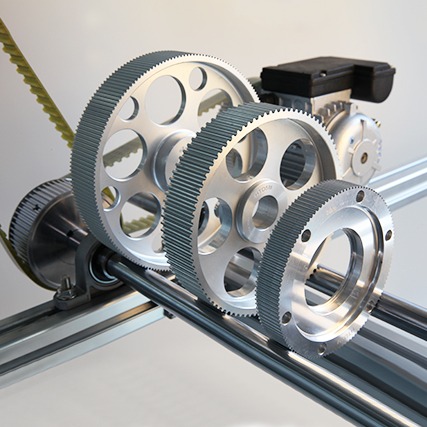
If you plan to replace an HTD belt with an STD or GT belt, do not assume the existing pulleys can be reused. Confirm compatibility first.
Timing belt selection & matching, let us handle it!
Choosing the right HTD, STD or GT timing belt involves checking the equipment application, load, operating speed and working environment. You also need to confirm the correct belt specifications and pulley compatibility.
If you need help with timing belt selection, model identification or pulley matching, contact G&M Belting! Our technical team can provide selection and matching advice based on your equipment specifications and operating conditions. We help you improve equipment reliability and reduce premature belt wear and unplanned downtime.


FAQs
1. What is the difference between HTD, STD and GT timing belts?
HTD, STD and GT are different timing belt tooth profiles. They differ in tooth design and meshing. Choose the right series based on operating conditions, transmission needs and pulley specs.
2. Can HTD, STD and GT timing belts be used interchangeably?
Not always. Even if the pitch is the same, the tooth profiles may differ between series. Before replacing a belt, check the belt model, tooth profile and pulley compatibility to help prevent poor meshing and abnormal wear.
3. What timing belt services does G&M AU Belting provide?
Custom Conveyor Belts Products & Solutions, Welcome Your Enquiry.
Work with us
© G&M AU PTY LTD
|
ABN: 85 666 181 424
|
Email: xinlylee@gmbelting.com.au
|
Mobile: +61 498 861 068