
How to Choose the Right Food Conveyor Belt for Your Application?
From Fresh Fruit to Frozen Foods: How to Choose the Right Food Conveyor Belt for Your Application?
—— 2026/07/24 ——
In the food machinery industry, conveyor belts are widely used for fruit, vegetables, meat, bakery products, frozen foods and packaged products.
GM Belting supplies food conveyor belts made from materials suitable for food applications, supporting food safety and reliable conveying.
However, food-grade conveyor belts are not one-size-fits-all. Different foods have different temperatures, moisture, oil content and stickiness.
The right conveyor belt should always be selected based on the food being conveyed and the application.
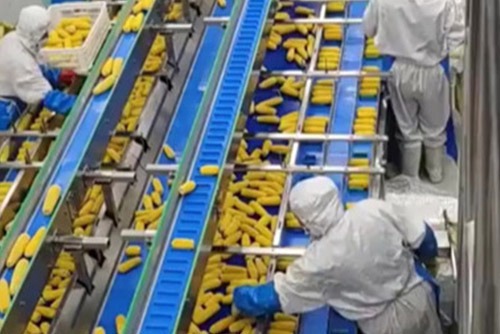

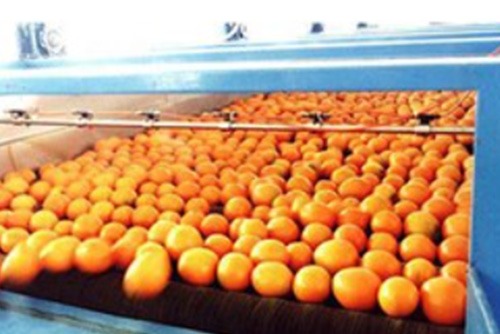
🍎 Fresh Fruit and Vegetables
—— Wear Resistance, Moisture Resistance and Stable Conveying
Fruit and vegetables usually contain a high level of moisture. Some agricultural products may also carry soil, sand or other contaminants when they enter the processing line.
For this reason, belts used for fruit and vegetable conveying generally need good wear resistance and stable performance.
During washing, sorting and processing, the conveyor belt may also be exposed to water for long periods. Its performance in wet environments should therefore be considered.
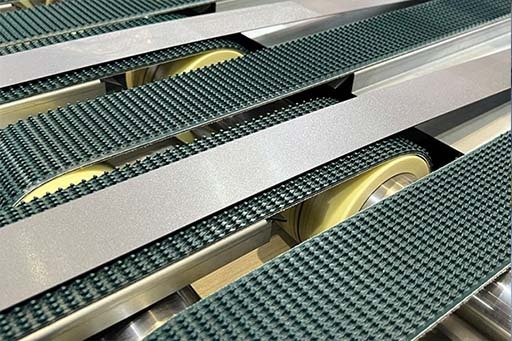
For fruit and vegetables that can easily roll or slide, the belt surface should also provide sufficient grip. This helps reduce sliding and product roll-off during conveying.
GM Belting can help select suitable food conveyor belts based on the product type, conveying environment and equipment design. We also offer product options from brands including Nitta, Habasit and Forbo.
🥩 Meat and Seafood
—— Oil Resistance, Moisture Resistance and Easy Cleaning
Meat, seafood and some processed foods usually contain oil and moisture.
In these applications, the conveyor belt must provide stable conveying while handling oil, moisture and frequent cleaning.
For this reason, oil resistance, water resistance and easy cleaning are important factors when selecting belt materials.
If the belt surface easily retains oil or food residue, cleaning becomes more difficult. It may also affect hygiene management on the production line.
GM Belting can help customers select suitable belt materials, surface structures and branded products based on the food type, oil exposure and cleaning requirements.
🍞 Dough and Bakery Products
—— Anti-Stick Performance Is Key
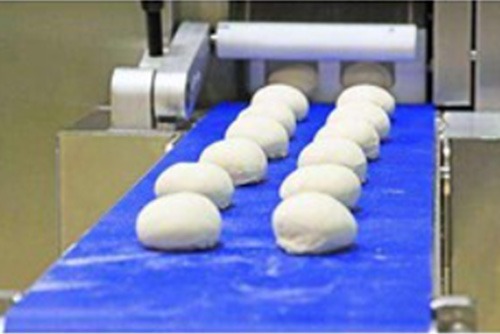
Dough, bread and some bakery products can easily stick to the conveyor belt during conveying.
If food sticks to the belt surface, it may cause product deformation, unstable conveying and lower production efficiency. It can also make cleaning more difficult.
For these applications, the belt surface and anti-stick performance are key considerations.
During dough conveying, the right surface structure can help reduce product adhesion and improve conveying stability.
GM Belting can help select suitable belt surfaces and specifications based on the stickiness, temperature and conveying process of dough and bakery products.
🍫 Confectionery and Chocolate
—— Consider Temperature and Surface Properties
Confectionery, chocolate and other high-sugar products also have specific conveyor belt requirements.
Some products may soften or become sticky at higher temperatures. During cooling, they may also interact differently with the belt surface.
The conveyor belt should therefore be selected according to the product temperature, stickiness and production process.
For these applications, surface properties and temperature resistance can be more important than load capacity alone.
GM Belting can help match the right conveyor belt to the product and production process. This helps reduce conveying issues such as sticking and sliding.
❄️ Frozen Foods
—— Low-Temperature Performance for Stable Operation
During the conveying of frozen foods, the belt may operate in low temperatures for extended periods.
If the belt material is not suitable for low-temperature applications, it may become hard, lose flexibility or even crack.
The belt should therefore be selected based on the actual operating temperature, product weight and equipment conditions.
For frozen foods, frozen fruit and frozen vegetables, low-temperature performance and long-term operating stability are especially important.
GM Belting can help select food conveyor belts suitable for low-temperature applications based on the freezing temperature, product type and equipment operating conditions.
📦 Packaged Foods
—— Stable Conveying and Grip Are Important
For bagged, boxed and canned products, conveyor belts often need to operate continuously for long periods.
These applications typically require stable conveying, good product grip, wear resistance and long service life.
If packaged products slide or shift during conveying, they may affect subsequent sorting, packaging and cartoning processes.
For inclined conveying, acceleration lines and high-speed production lines, belt surface friction and anti-slip performance are especially important.
GM Belting can help select suitable anti-slip surfaces and belt specifications based on product weight, packaging material and conveying angle.
Different Foods Require Different Conveyor Belt Properties
When choosing a food conveyor belt, consider more than whether it is food-grade. Moisture, oil, stickiness, temperature, cleaning requirements and product movement all affect the choice of belt material, surface and specifications.
🤝GM Belting Will Attend Foodpro 2026
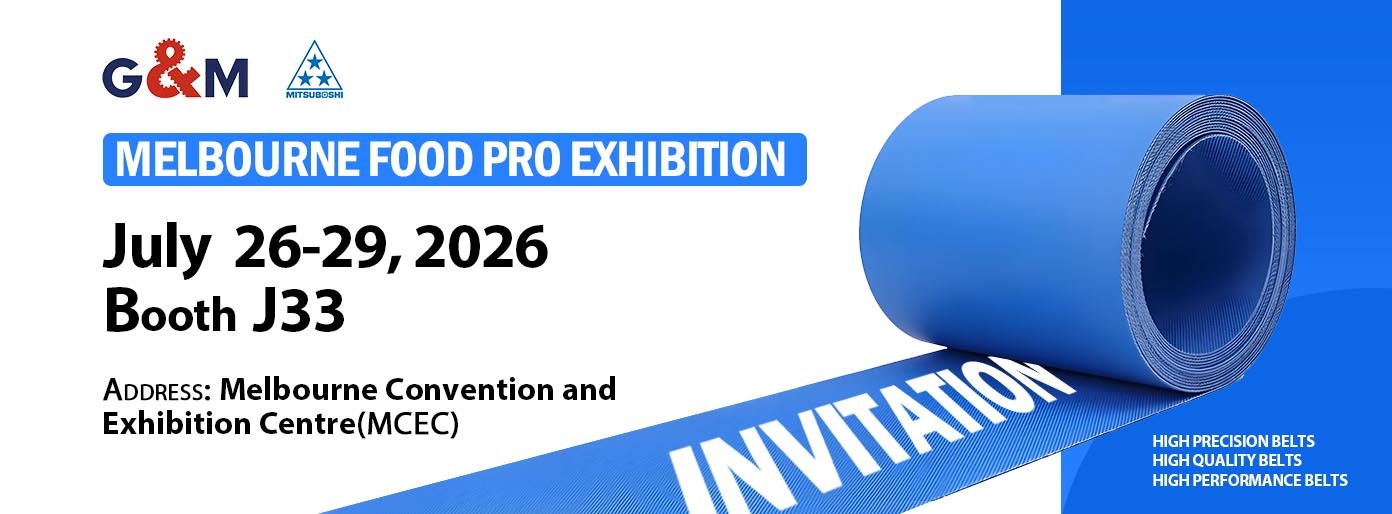

We supply products from international brands including: Nitta, Habasit, Forbo(Siegling) , Megadyne, Mitsuboshi, Optibelt and Gates.
Based on different applications, we can help customers:
- Match conveyor belt properties to the food product
- Select suitable materials based on temperature and cleaning conditions
- Choose belt surfaces based on anti-slip, anti-stick and wear-resistance requirements
- Select suitable belt sizes and specifications based on equipment design
- Provide belt selection advice for food machinery conveying and power transmission applications
- Help identify replacement products based on existing belts, equipment photos and application conditions
If you are looking for food-grade conveyor belts for food processing, packaging or conveying equipment, contact us for professional product recommendations and belt selection advice.
FAQs
What can GM Belting do?
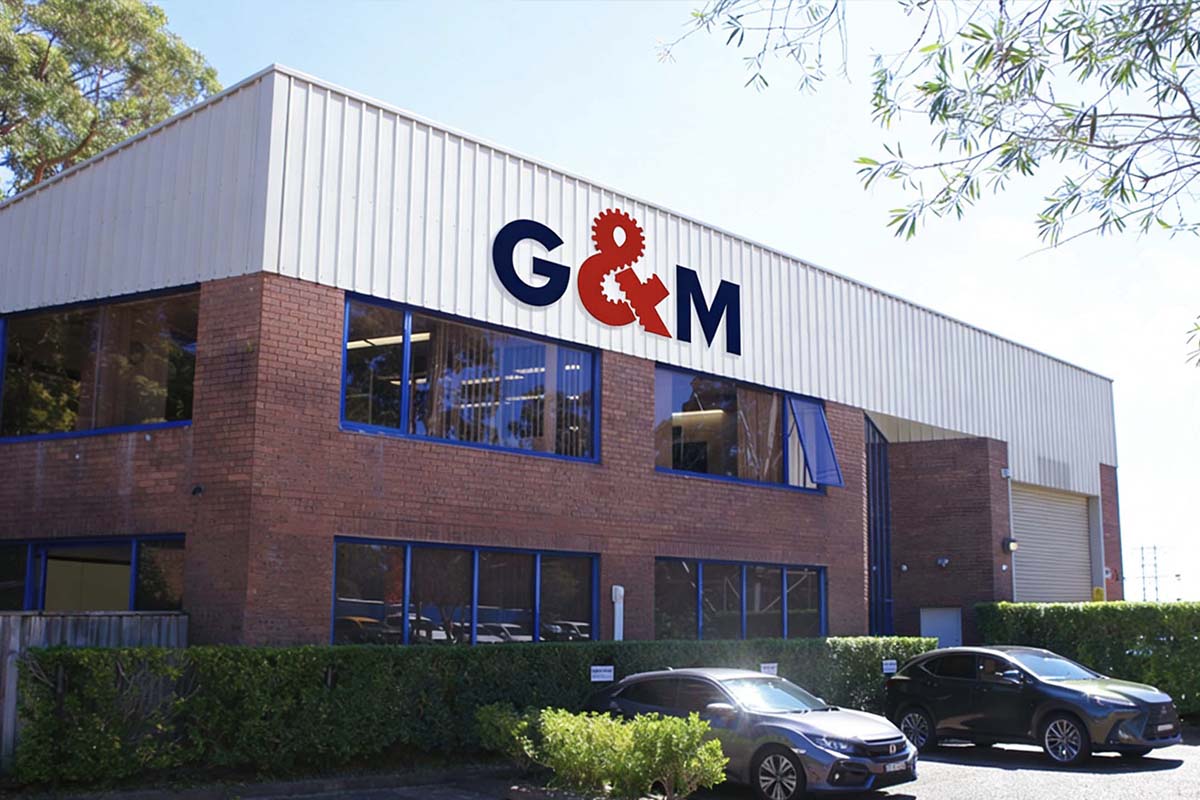
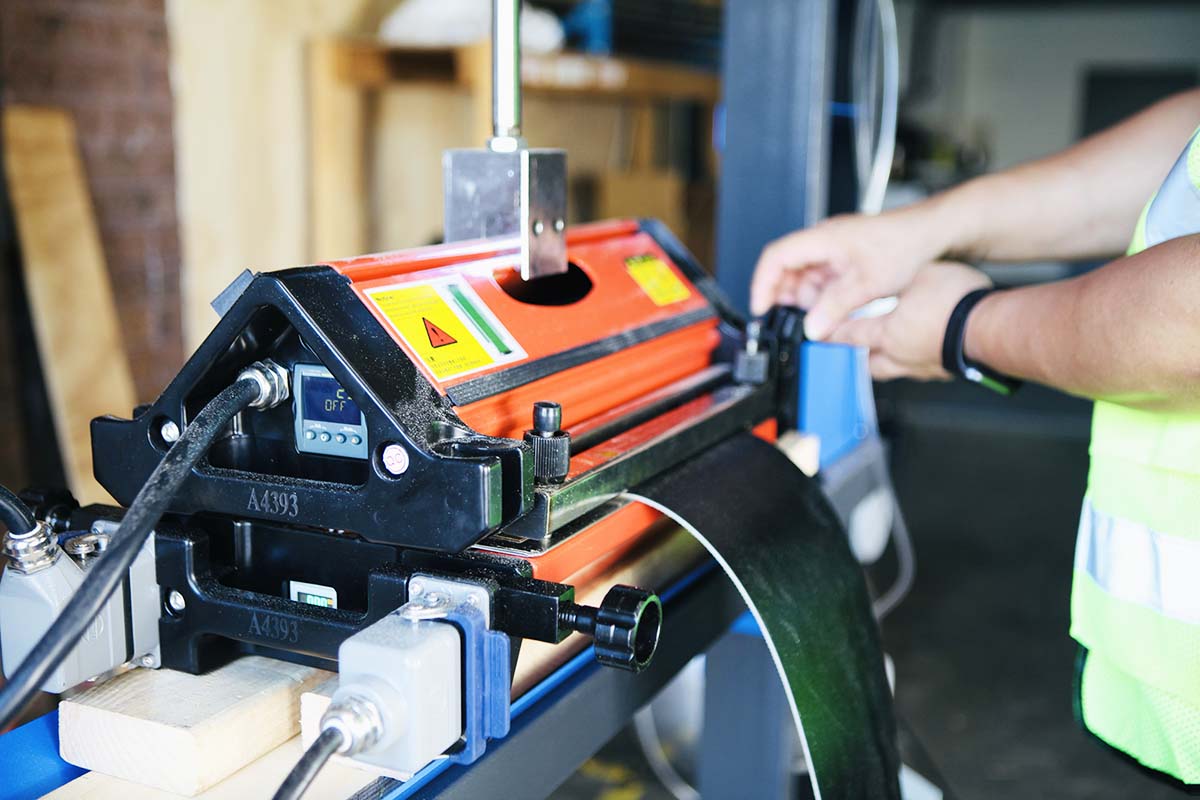
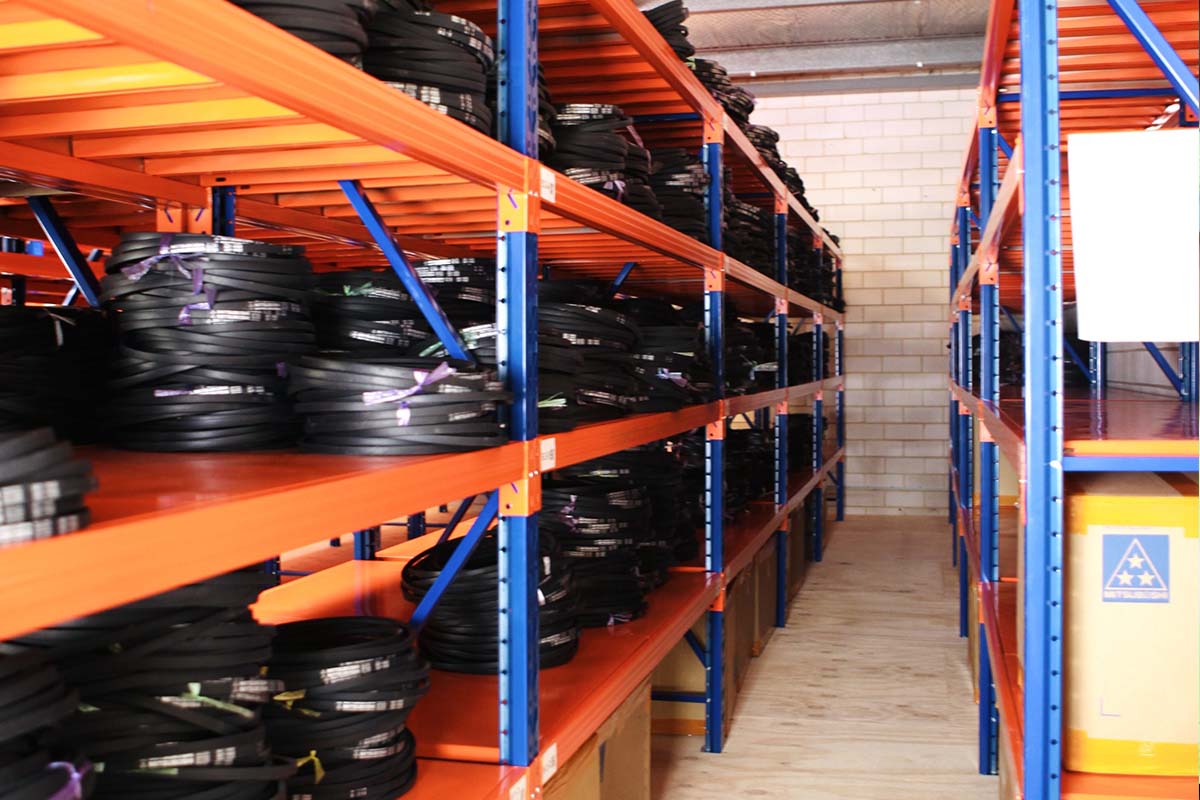
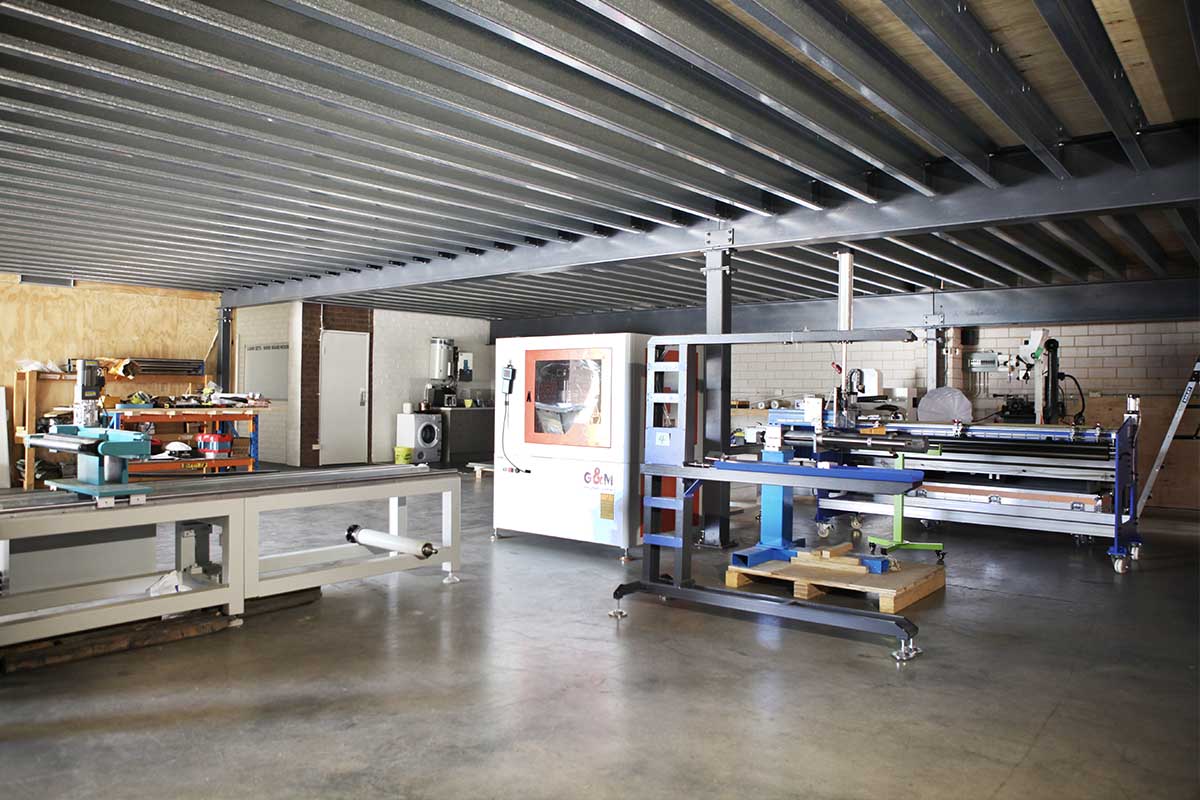
GM Belting operates a Sydney warehouse and workshop, supplying V-belts, timing belts and other industrial belts. We also provide custom belt processing, conveyor belt fabrication and on-site service across NSW.
Are food-grade conveyor belts suitable for all food applications?
No. Different foods require different belt properties, such as oil resistance, anti-stick performance, low-temperature resistance, wear resistance or easy cleaning.
What factors should be considered when selecting a food conveyor belt?
Consider the food type, operating temperature, moisture and oil exposure, product stickiness, cleaning requirements, conveying angle and equipment conditions.
Custom Conveyor Belts Products & Solutions, Welcome Your Enquiry.
Work with us
© G&M AU PTY LTD
|
ABN: 85 666 181 424
|
Email: xinlylee@gmbelting.com.au
|
Mobile: +61 498 861 068